How drug checking works
Reagents, test strips and lab analysis — what each one can and cannot tell you.
5 min read · Last updated September 27, 2026
Three tools, three different questions. Choosing the wrong one is the most common reason a test disappoints.
Reagents
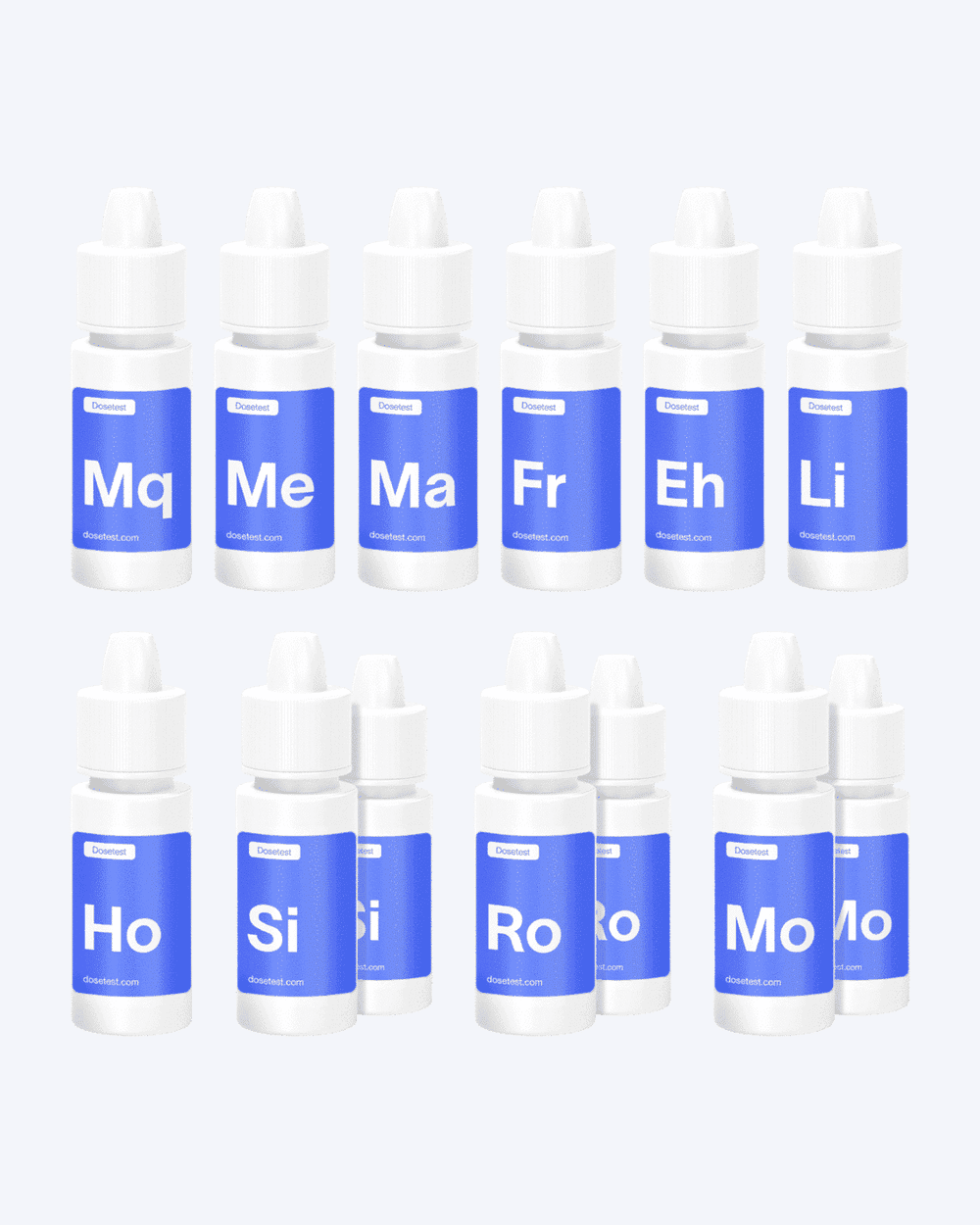
Reagents should be seen as a way to rule in or rule out that your sample does or does not contain the expected substance, and to notice adulteration.
Do not assume that a positive reagent reaction means the sample is not adulterated.
A reagent tests the tiny amount you put on the plate. That speck does not represent the sample as a whole — test more than once.
Mixed samples can look like mixed paint, or the darker reaction can overshadow the lighter one. Running several reagents helps.
Our reagents are not suited to testing for benzodiazepines, or for fentanyl in opioid samples. A fentanyl test strip is the tool for fentanyl; benzodiazepines are a question neither our reagents nor our strips can answer.
Test strips
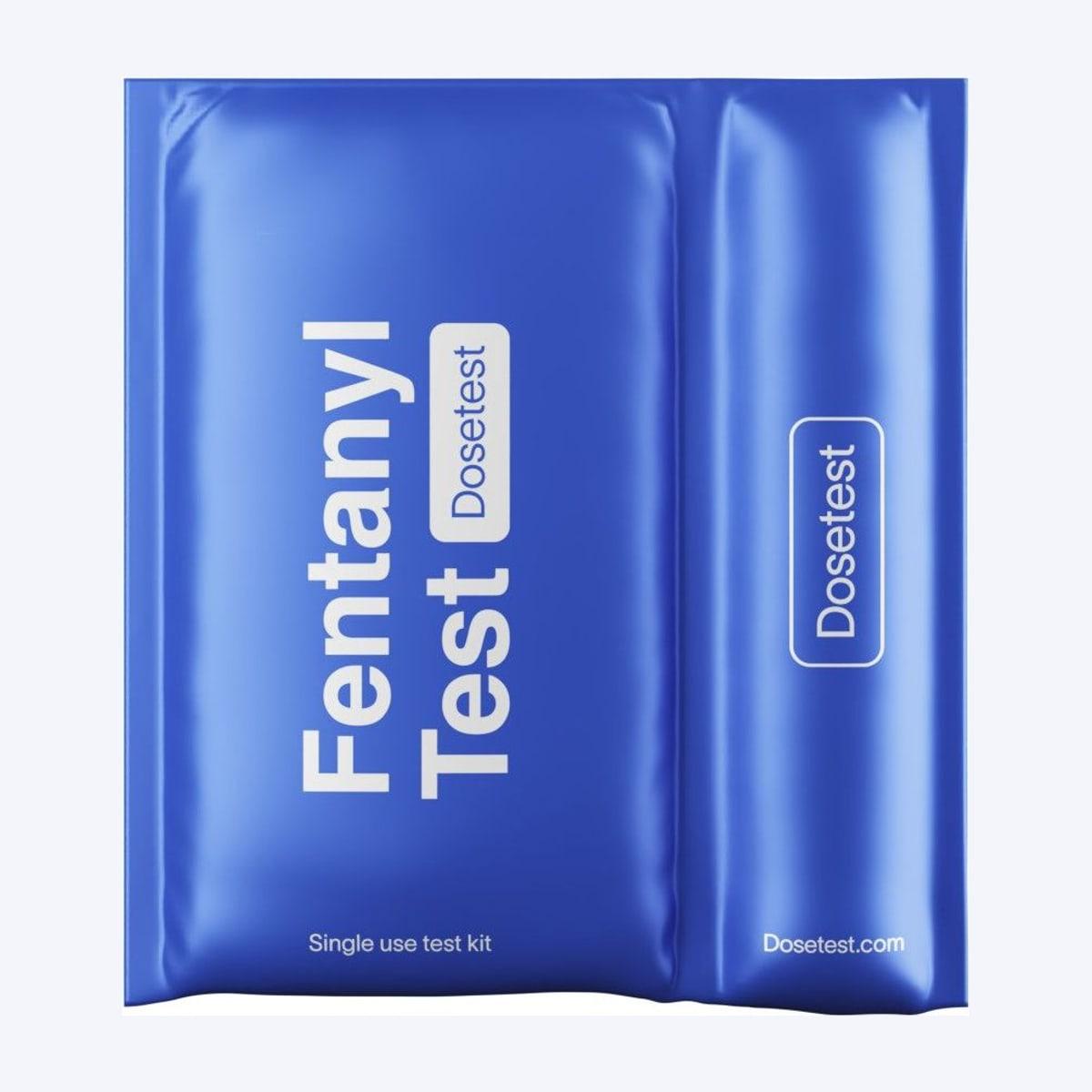
A lateral-flow strip checks a dissolved sample for one target and one only. The strip we sell has fentanyl as its target: it responds to fentanyl and many of its analogs, and not to xylazine, benzodiazepines or nitazenes. It tells you present or not present — never how much.
Lab analysis
Thin-layer chromatography (TLC) separates a sample into its components on a card so each can be tested. Gas chromatography–mass spectrometry (GC-MS) identifies and quantifies components and is the reference method drug-checking services use. Services such as Energy Control (Spain) and DrugsData (US) accept mailed samples for a fee.
Which tool for which question
| Your question | The tool for it |
|---|---|
| Is it what I was told? | Reagents — a color reaction rules the expected substance in or out |
| Is there fentanyl in it? | A fentanyl test strip — it answers for fentanyl only, never for xylazine, benzodiazepines or nitazenes |
| Exactly what is in it, and how much? | Laboratory analysis — TLC or GC-MS through a drug-checking service |