How to test LSD
Which reagents, how long to wait, and what a fake looks like.
5 min read · Last updated September 27, 2026
Why LSD gets faked
Blotters sold as LSD have carried DOx and NBOMe compounds for years. At Boom Festival 2014, Energy Control found that a share of samples sold as LSD were other psychoactives — DOC and 25I-NBOMe among them.
Reference
- Energy Control, Boom Festival 2014 drug-checking results.
Which reagents
- Ehrlich: LSD turns it pink, then purple, over 5 to 15 minutes. DOx and NBOMe compounds do not react.
- Marquis: substitutes produce a range of colors; DOM does not react.
- Froehde: LSD usually does not react; DOM and most substitutes give a vivid yellow or green.
- Hofmann: a tweak on Ehrlich that adds specificity for LSD or DMT and helps rule out 5-HTP being added to fake a reaction.
How to test a blotter
Cut
Cut a small corner — about one sixth of the blotter — and place it on a white ceramic surface.
Drop
Add one drop of Ehrlich directly onto the paper.
Wait
Wait the full 5 to 15 minutes. A slow pink-to-purple change is what LSD looks like. No change points to a DOx or NBOMe substitute or an inactive tab.
Confirm
Run Marquis and Froehde on another corner to check for substitutes.
Gel tabs and liquid
Gel tabs: scrape a sliver onto the plate and test as a blotter; gels react more slowly. Liquid: place one drop on the plate, let it dry, then add the reagent.
Know the limits
- Ehrlich shows an indole is present — not which one. AL-LAD, ETH-LAD and other lysergamides also react.
- Some analogues do not react to any reagent.
- A reagent result narrows things down. It does not remove risk.
Kits for testing LSD
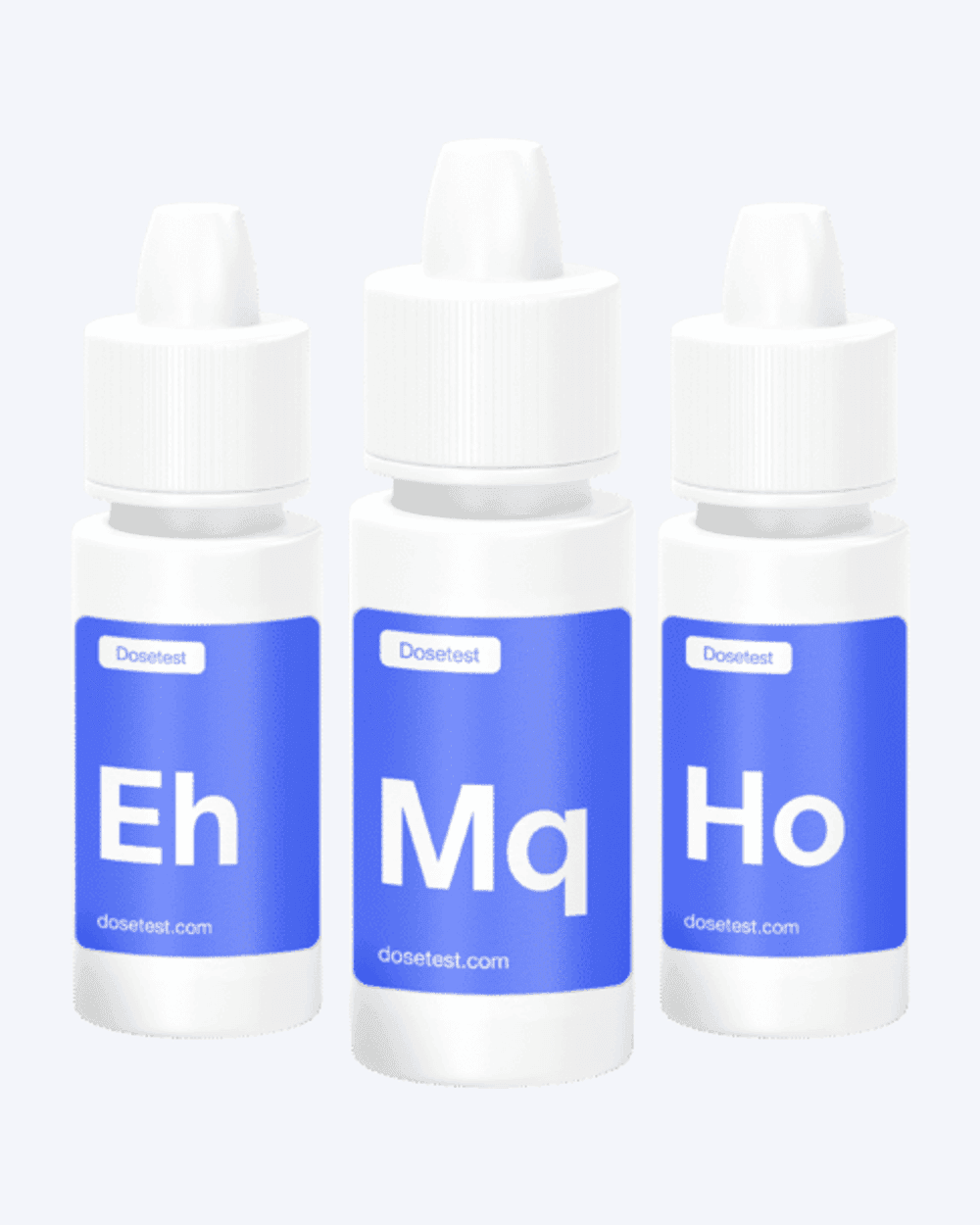 LSD Kit – LiteThree reagents to check a tab: Ehrlich and Hofmann for LSD and other indoles, Marquis to flag common substitutes.
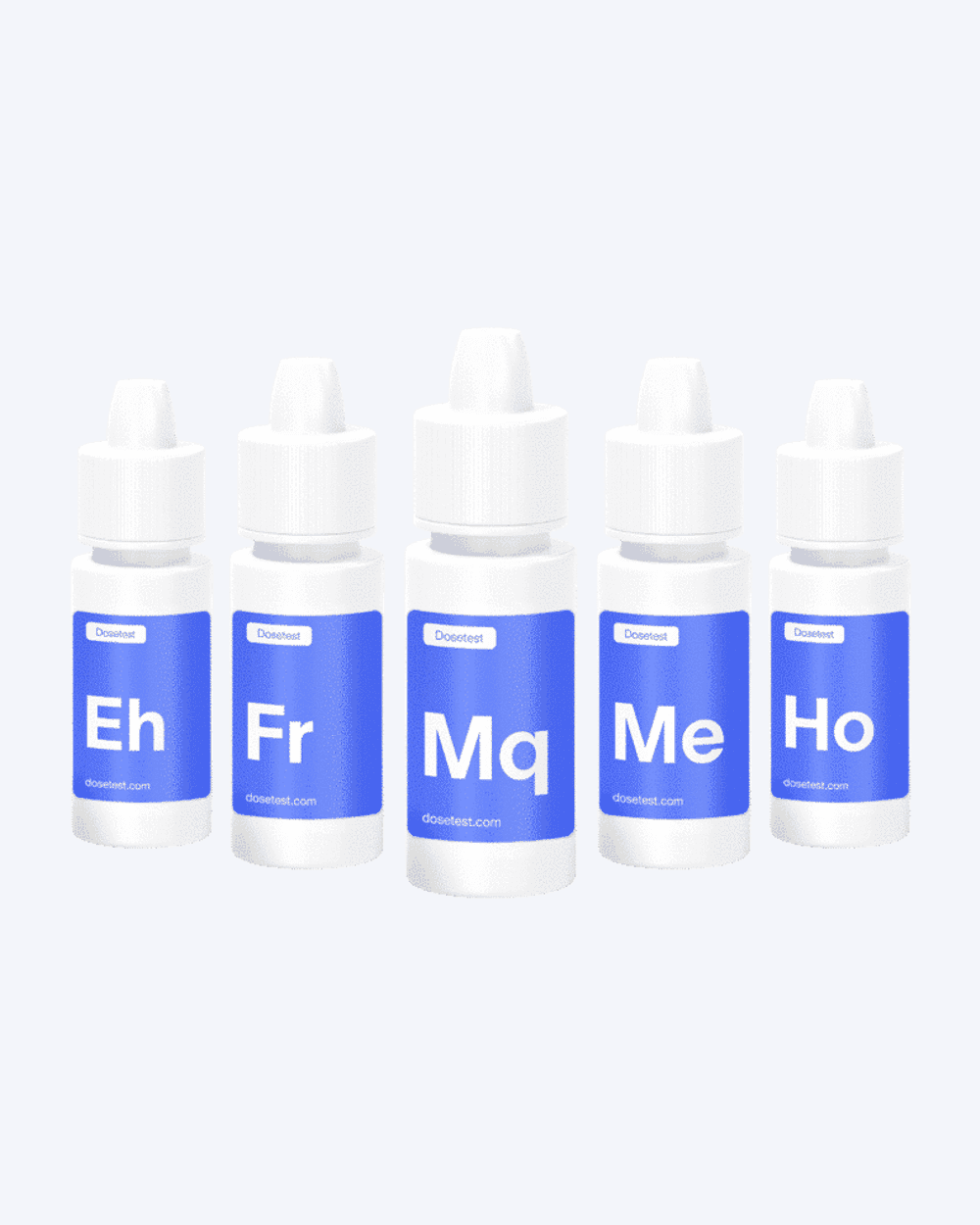 LSD Kit – StandardFive reagents for acid and its substitutes: Ehrlich, Hofmann, Marquis, Froehde and Mecke help rule out DOx and NBOMe compounds.
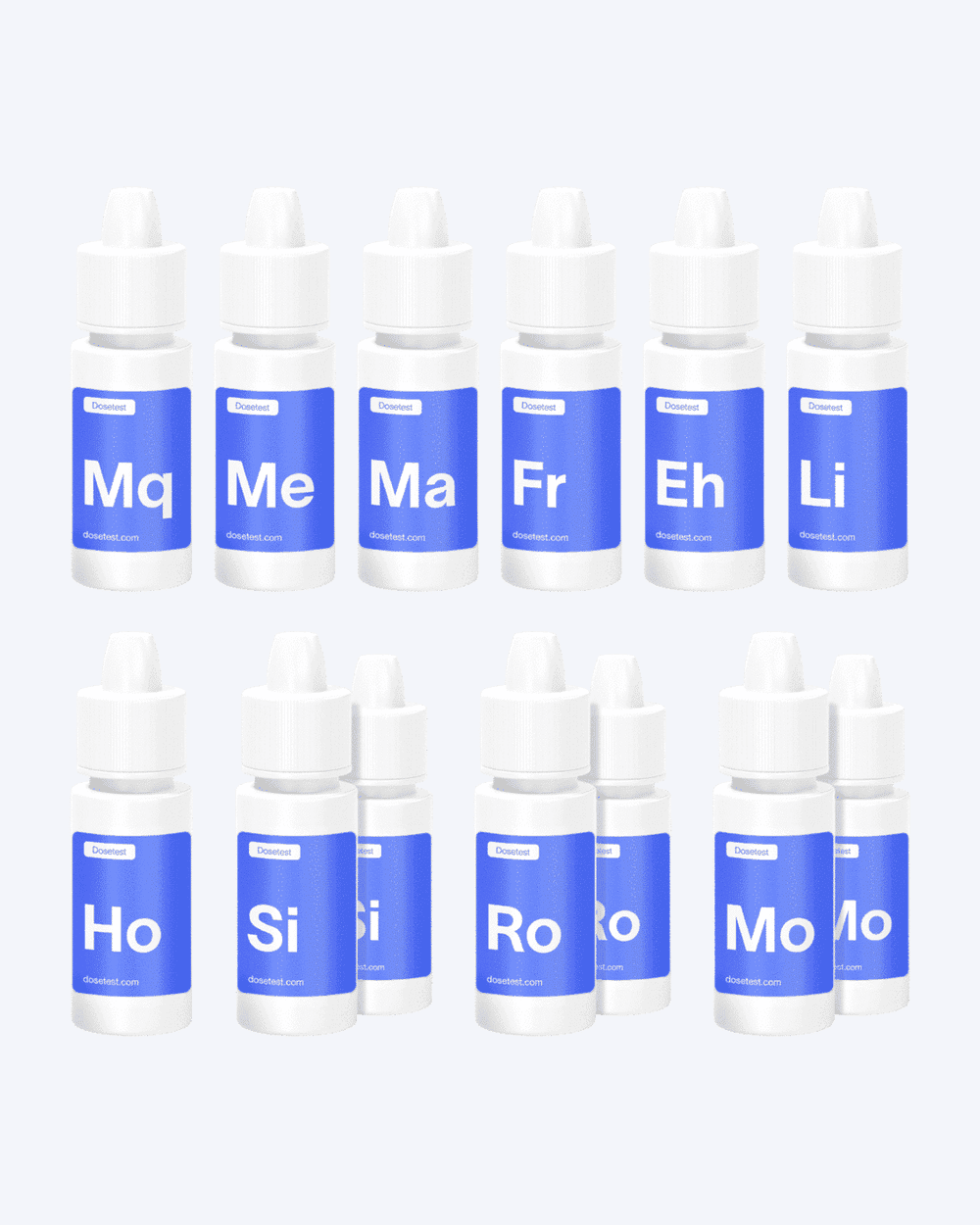 Complete Kit – 10-in-1A lab in a box: all ten Dosetest reagents, about 100 tests each, for people who test for friends or want to check uncommon substances.